A Clear Next Step
When your pet needs more than a checkup, a referral is how a primary-care vet hands them off to a specialist or emergency team. Inside our network, that handoff is designed to feel seamless. Shared digital records help the next team prepare before you arrive. Specialists across 21+ disciplines are available within the same family of brands you already know. And your primary-care vet stays in the loop the whole way through. You and your pet are never starting from scratch.
When a referral comes into play
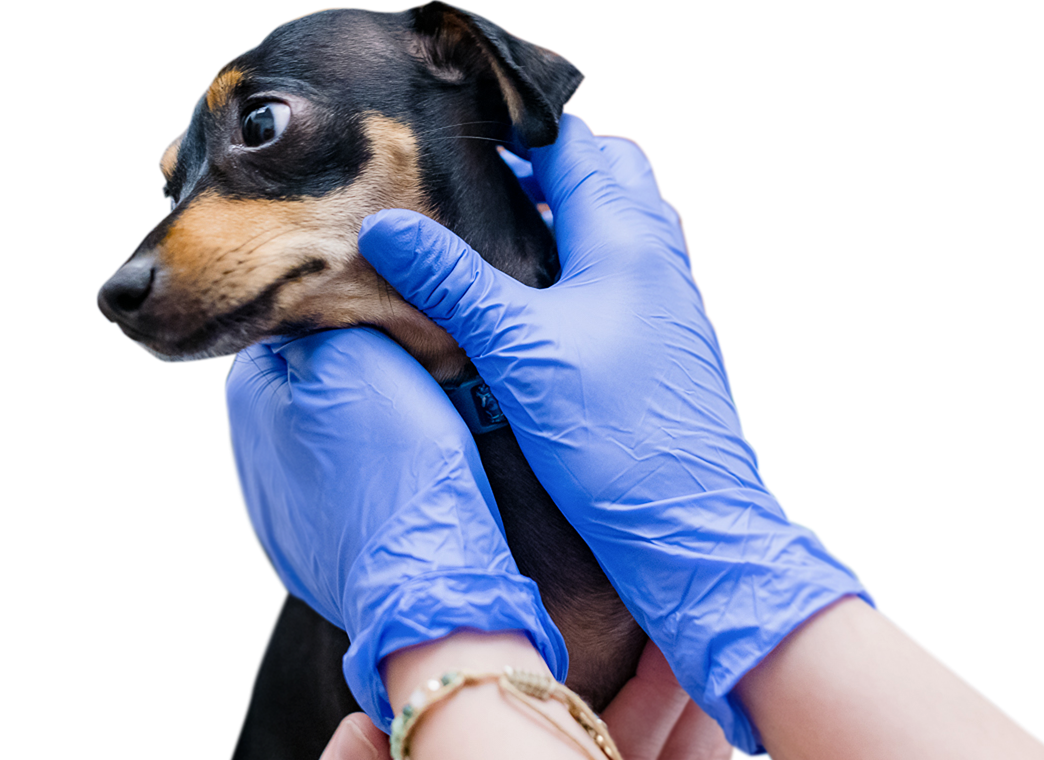
Most of your pet's care can happen at one primary-care hospital. A referral comes into play when your pet needs something more advanced. The most common reasons are specialty care like oncology, cardiology, neurology, or complex surgery; advanced diagnostics like MRI, CT, or ultrasound; or 24/7 emergency and critical care. Sometimes it's a single consultation with a specialist. Sometimes it's ongoing treatment over weeks or months. Either way, your primary-care team stays involved, and the goal is the same: get your pet the right care, fast.
A smoother path,by design
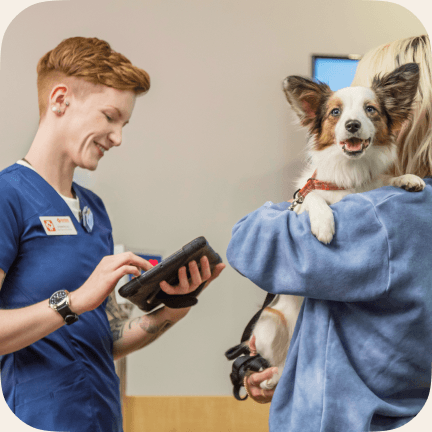
Inside the Mars Veterinary Health network, referrals are designed to remove the friction that usually comes with being handed off to a new team. Shared digital records mean the specialty or emergency team can review your pet's history before you walk in, so you don't have to repeat yourself. Seamless digital referrals between providers help the handoff happen quickly, especially in time-sensitive situations. Care coordinators at our specialty and emergency hospitals can help you book the appointment, prepare for the visit, and answer questions about what to expect. After the visit, the specialist sends a written summary back to your primary-care vet, so your everyday team stays fully up to speed for any follow-up.
A few things you can do
A few small things on your end help every referral go smoothly. Bring a list of your pet's current medications, including doses. Write down any recent symptoms or changes you've noticed, since the specialist will want to hear them in your own words. If your pet sees more than one practice, mention that, so any additional records can be requested. And if you have questions about cost, timing, or what to expect, your primary-care team is usually the best first call. The specialty hospital's care coordinators are a great second.