
Dansby has spent nine years being the loud, happy center of his family. So when the Australian shepherd mix suddenly seemed disoriented and unsteady on his feet, they noticed immediately. But when he began having seizures, they knew the subtle changes were signs of something much more serious.
They rushed him to BluePearl Pet Hospital in Johns Creek. By the time he arrived, Dansby couldn't stand, barely registered his surroundings, and was in status epilepticus, a state of continuous seizures that becomes more dangerous with every minute it goes uncontrolled.
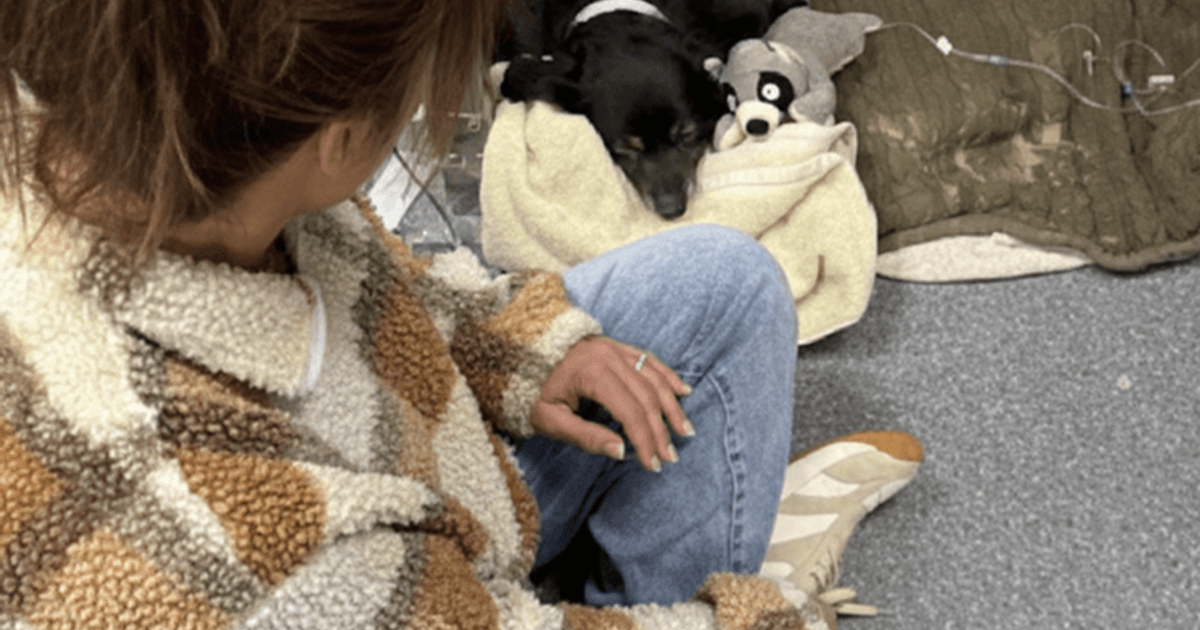
The emergency team went to work stabilizing him. What his family couldn't see from the waiting room was how far the case had already traveled. Dansby's condition was severe enough, and strange enough, that the critical care teams at BluePearl Sandy Springs and BluePearl Westside joined in, consulting with the Johns Creek team in real time, while the neurology service guided the diagnostic and treatment decisions as his condition kept shifting. It was a network of veterinarians coordinating with as few administrative entanglements as possible.
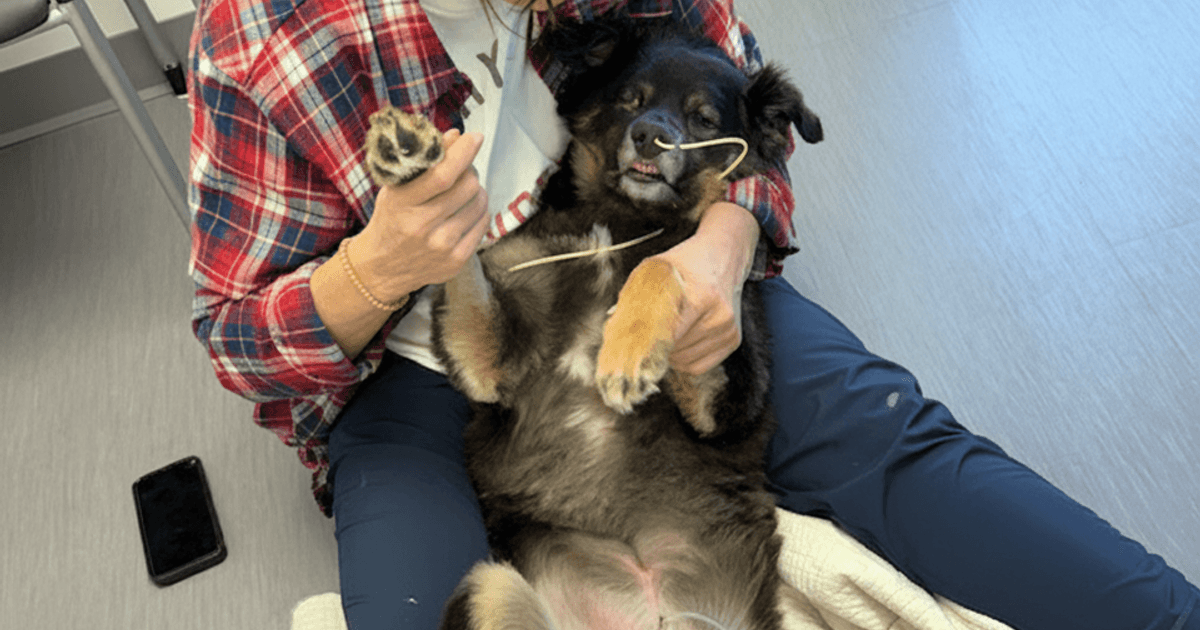
He needed all of it. Dansby's seizures fought back against treatment, and complications piled on, including pneumonia. His team worked through the possible causes, including a suspected toxin exposure, while adjusting his care based on how he responded, hour by hour.
For several days, Dansby needed intensive, around-the-clock care. His team decorated his oxygen room with blankets and photos of his family, and his people stayed closely connected the whole way through, getting updates and guidance as everyone pulled toward the same goal.
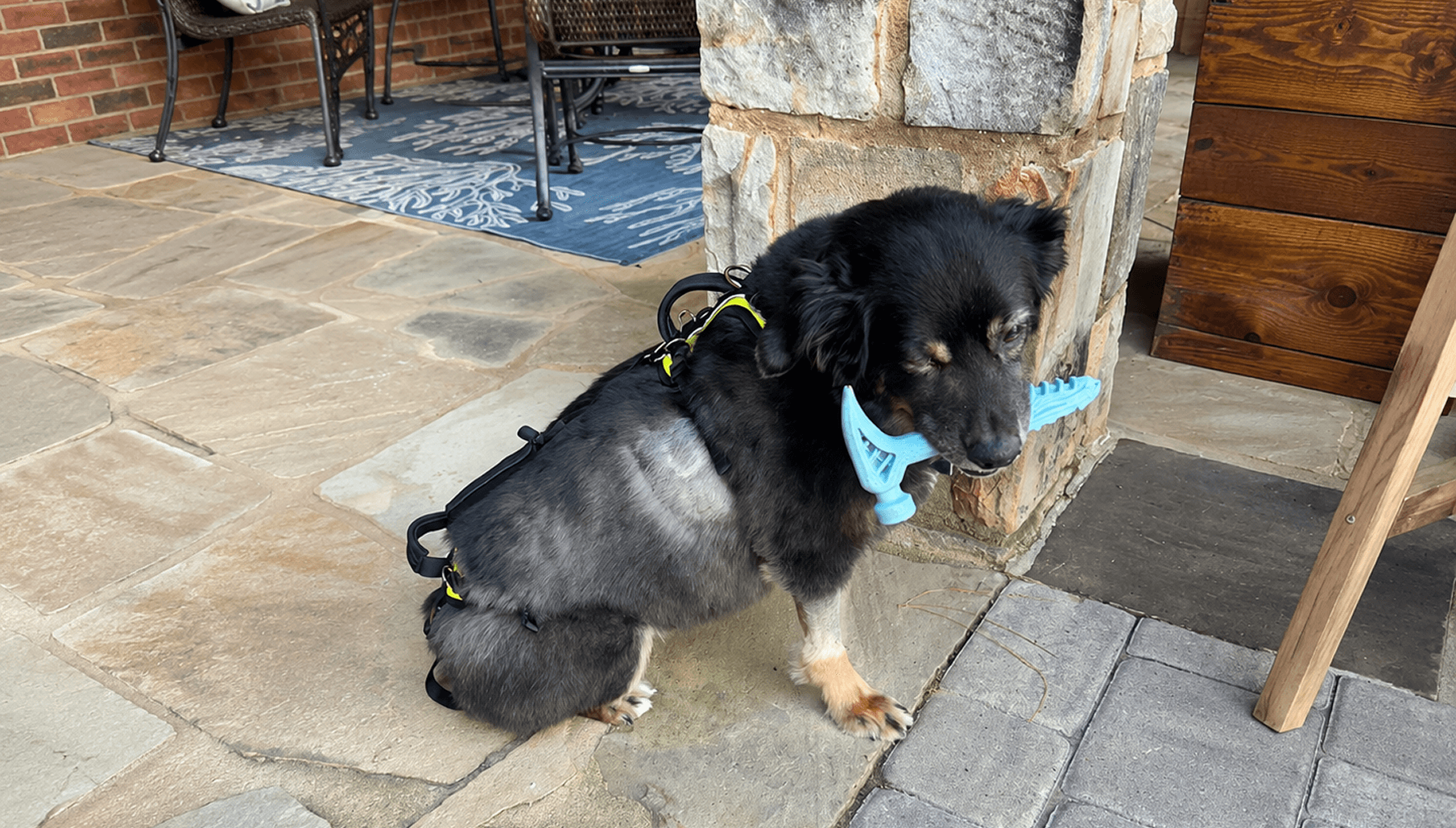
Then, slowly, Dansby started to come back. The seizures came under control. His awareness returned. His care team began easing off the medications and support, watching closely. He came off oxygen. He started eating. The coordination came back, followed by his energy and personality.
After more than a week in the hospital, Dansby went home seizure-free. His family says his strength, his coordination, and his old self have kept coming back ever since.
Neurologic emergencies move fast, and they're among the hardest cases in veterinary medicine to untangle. Dansby's family did their part by acting the moment something felt wrong. Emergency medicine, critical care, and neurology did the rest, comparing notes across the city like colleagues down the hall from each other.
The best version of connected care is the kind a family never has to think about. Dansby's people spent that week worrying about their dog, and only their dog. The coordination took care of itself.
Important Notice: The information provided on this page is for informational purposes only and is not a substitute for professional veterinary advice. Always consult a veterinarian with any questions regarding your pet's health or medical condition. Never disregard or delay seeking professional veterinary advice based on information from this page.