

Your Puppy's First Year
A first-time roadmap for a new puppy’s early months: the first-six-months vaccine series, the spay or neuter decision, feeding frequency, and early socialization and training.
Featured on banfield.com
2 min read
The first year with a puppy is full of milestones
From wobbly first steps to mastering basic commands and growing into a confident young dog. It’s an exciting time filled with joy, learning, and (yes) a few messes along the way.
This guide walks you through every stage of puppyhood with advice on health, training, and care. Wherever you are in your puppy journey, we're here to help you give your dog a healthy start.
0–3 Months: Building a foundation of trust
Your new puppy is learning about the world and figuring out how to feel safe in it. This early stage is all about creating positive routines and introducing new experiences slowly.

What to expect
The first few months with a puppy are equal parts heart-melting and a little chaotic — in the best way. You’ll be learning each other’s rhythms while navigating middle-of-the-night whimpers, surprise potty puddles, and the occasional chewed-up shoe (or two).
Your puppy will explore the world nose-first and mouth-open, testing textures, sounds, and everything within paw’s reach. Gentle nipping and chewing are normal signs of discovery. Between bursts of zoomies and snuggly naps, they’ll start to recognize their name, respond to simple cues like “sit” and “come,” and look to you for reassurance.
Crate and potty training begin here too, along with the joyful realization that every little milestone (like their first dry night!) means your puppy is growing right before your eyes. It’s a stage filled with small but meaningful milestones that set the foundation for a confident, well-adjusted pup.
Key vet care
- Complete first comprehensive exam
- Start core vaccine series
- Start deworming
- Start flea, tick, and heartworm prevention
- Discuss nutrition to support healthy growth
4–6 Months: Teething, training, and growth
Your puppy’s personality is coming to life! With new energy and curiosity, they’re learning how to navigate boundaries and interact with their environment, which often means a lot of chewing and testing limits.
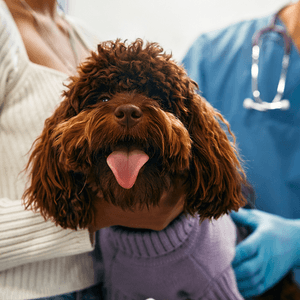
What to expect
This stage is when your puppy really starts coming into their own. Baby teeth start falling out and teething begins, so expect a flurry of chewing on anything within paw’s reach (table legs, sneakers, maybe even your favorite hoodie). Their energy surges right alongside their growth spurts, and their curiosity knows no bounds. They want to sniff, taste, and explore the world in every direction.
It’s the perfect time to double down on training and socialization, helping them learn what’s OK to chew, how to greet new friends politely, and how to handle all the exciting sights and sounds of puppyhood with confidence.
Key vet care
- Finish core vaccine series
- Discuss the best timing for a spay or neuter procedure
- Introduce regular dental care routine
7–9 Months: Big energy and independence
Welcome to puppy adolescence, which is full of independence, energy, and the occasional stubborn streak. It’s common for your dog to “forget” familiar commands or develop new behaviors as they mature emotionally and physically.
What to expect
Find out what to expect on Banfield.com and explore the Puppy Hub for everything you need to raise a happy, healthy puppy.
Important Notice: The information provided on this page is for informational purposes only and is not a substitute for professional veterinary advice. Always consult a veterinarian with any questions regarding your pet's health or medical condition. Never disregard or delay seeking professional veterinary advice based on information from this page.