
As cat owners, we know how important it is to stay in tune with our feline friends, especially when it comes to their health. So, when you spot something unusual in the litter box, like a reddish or pinkish tint, alarm bells start ringing. If your cat has blood in their pee, it’s not something to brush off. But don’t panic; let’s unpack what might be happening and how you can take action.
Why Is my cat bleeding when they pee?
Blood in your cat’s urine isn’t always dramatic or easily noticeable. Sometimes, it’s just a faint blush in the litter, while other times, you might catch your cat straining or crying out when using the box. Either way, if your cat bleeds when they pee, it’s a sign that something's not right.
Common symptoms and how to spot them
Cats are masters at hiding pain, so even subtle changes like a shift in litter box behavior or a new “favorite” pee spot can be telling. Here are a few signs that could indicate there's blood in your cat’s urine:
- Pink, red, or rust-colored urine in the litter
- Frequent trips to the litter box with little or no output
- Straining to pee or vocalizing during urination
- Accidents outside the litter box
- Lethargy or noticeable discomfort

Possible causes of blood in cat urine
If your cat has blood in their pee, there are several potential causes, ranging from relatively mild to more complex conditions. Here’s a breakdown of the most common culprits:
Just like in humans, cats can develop UTIs, especially females or older males. These infections occur when bacteria enter the urinary tract, often causing inflammation and irritation. This results in painful peeing, and sometimes, that frightening appearance of blood. UTIs in cats can be fairly straightforward to treat with antibiotics, but early detection is key.
Tiny crystals or larger bladder stones can form in your cat’s bladder, leading to blockages or irritation. These often show up as blood in cat pee, accompanied by frequent urination attempts or licking at their genitals. In some cases, these stones require dietary changes, medication, or even surgical removal.
Feline Lower Urinary Tract Disease is a broad term that covers several conditions affecting a cat’s bladder and urethra. Cats with FLUTD often experience inflammation, difficulty urinating, and blood in their urine. This condition is especially common in indoor cats and may be linked to stress, dehydration, or diet.
Here’s the kicker: male cats with FLUTD are at risk for life-threatening blockages. If your male cat has blood in their urine, is straining, or not peeing at all, it’s an emergency. Get them to the vet immediately.Although rare, urinary tract tumors or cancers can lead to bleeding during urination. These situations require thorough diagnostic testing such as imaging or biopsies to determine what’s going on internally. It’s another reason why paying attention to changes in your cat’s bathroom habits to spot unusual warning signs early on is so crucial.
What to do if your cat is peeing blood
Seeing your cat in discomfort or noticing blood in their urine can make you feel helpless. But taking swift, calm action can make all the difference.
When to see a vet immediately
If your cat has blood in their pee, it’s time to pick up the phone and call your vet. Don’t wait it out. This is especially urgent if you notice any of the following:
- Your cat can’t urinate at all.
- They’re straining or crying out when trying to go.
- They’re going outside the litter box frequently.
- They’re unusually lethargic or hiding more than usual.
When it comes to urinary issues, early action is key. The sooner you seek care, the better chance your cat has of recovering without complications.
Diagnostic tests and treatment options
Once you're at the vet, they’ll likely recommend a few key diagnostic steps to get to the bottom of why your cat bleeds when they pee:
- Urinalysis – A close look at your cat’s urine can reveal infections, crystals, or abnormal cells.
- Imaging (X-rays or ultrasound) – These tools help identify bladder stones, tumors, or inflammation.
- Bloodwork – To rule out kidney issues or monitor organ function.
From there, treatment options will depend on the diagnosis. Your vet will create a care plan tailored to your cat’s unique needs. And with the right support, most cats bounce back beautifully.
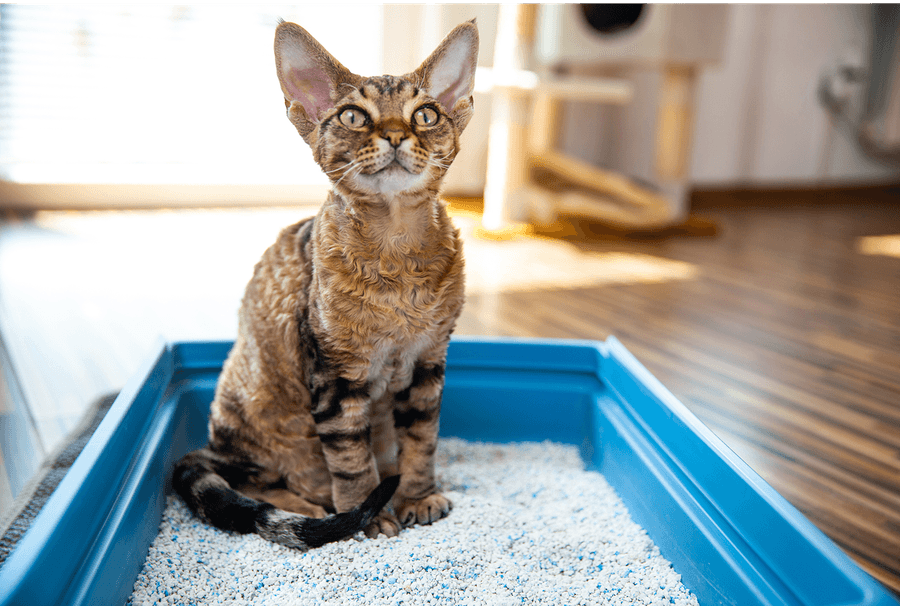
Let your cat’s litter box speak volumes
Blood in cats’ urine can be a scary thing to spot, but it's also an opportunity to step in, take action, and make a life-saving difference. Whether it’s a minor infection or something more serious, you have the power to respond quickly and get your cat the help they need.
Important Notice: The information provided on this page is for informational purposes only and is not a substitute for professional veterinary advice. Always consult a veterinarian with any questions regarding your pet's health or medical condition. Never disregard or delay seeking professional veterinary advice based on information from this page.