
Main takeaways
• Dogs gain weight when calories consistently exceed activity, much like people.
• A body condition check, feeling ribs and seeing a waist, gauges whether a dog is overweight.
• A plan combines portion control, divided meals, more activity, and a weight-management diet.
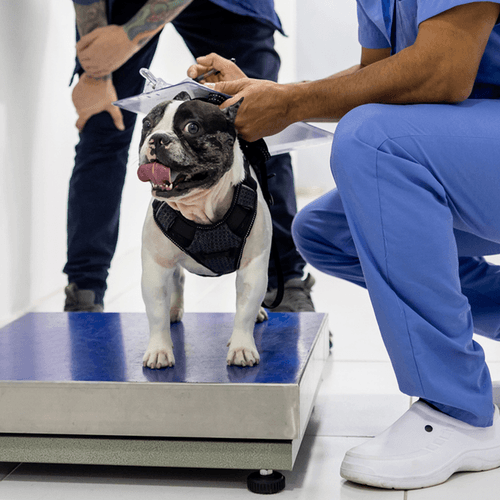
Obesity in dogs is a more common problem than you might think. Between 25% and 40% of dogs are overweight, but often, owners don’t realize it until they take their dog to the veterinarian for another reason. Yet even vets can’t tell if a dog is obese by their weight alone. Ideal weight varies by breed, and quite widely within breeds.(Did you know, for instance, that Labrador retrievers, dachshunds and beagles are all prone to obesity?) In short, there’s no ideal healthy weight chart for all dogs!
The good news is that if your dog is overweight, there are a number of ways to help them reach a healthy weight. Don’t underestimate the power of daily walks and a weight management dog diet can help return your dog to a healthy weight, providing a path to help keep them fit for life.
Is your dog overweight?
Can you feel individual ribs easily? Is your dog’s abdomen slightly tucked up when viewed from the side? That’s a sign your dog is at their ideal weight.
If you can't feel the ribs easily, your dog has no waist and their abdomen drags, your pup is carrying extra weight. Your veterinarian can help you further evaluate your dog’s condition and determine their ideal weight.
What causes canine obesity?
Dogs gain weight for the same reason people do: They eat more calories than they use. Today’s dogs share another problem with their human parents: lack of activity. Many pet owners work all day and are too tired to play with their dog afterward.
Dogs’ metabolisms might slow as they age or after they’re spayed or neutered, which means they require less food. Another common reason for weight gain is frequently eating high-calorie treats. Sometimes more than one family member is feeding the dog, and the dog sure isn’t telling!
Other factors that could contribute to canine obesity include:
- Breed and sex
- Hyperadrenocorticism
- Hypothyroidism
- Diabetes mellitus
If you suspect that your dog is overweight or obese, the !rst step is to set up an appointment with your veterinarian so they can evaluate their condition. Likewise, before beginning any weight loss program with your dog, make sure to discuss it with your vet.
How much to feed a dog on a weight management program
If your dog is overweight, it’s time to implement a weight-management regimen. If you usually feed one large meal a day or keep food available at all times, try a different dog-feeding schedule by dividing the daily ration into several small meals— at least two meals a day. It takes energy to digest food, and dividing your dog’s daily ration into separate feedings will help. If your dog leaves any food in their bowl, pick it up 30 minutes after each meal.
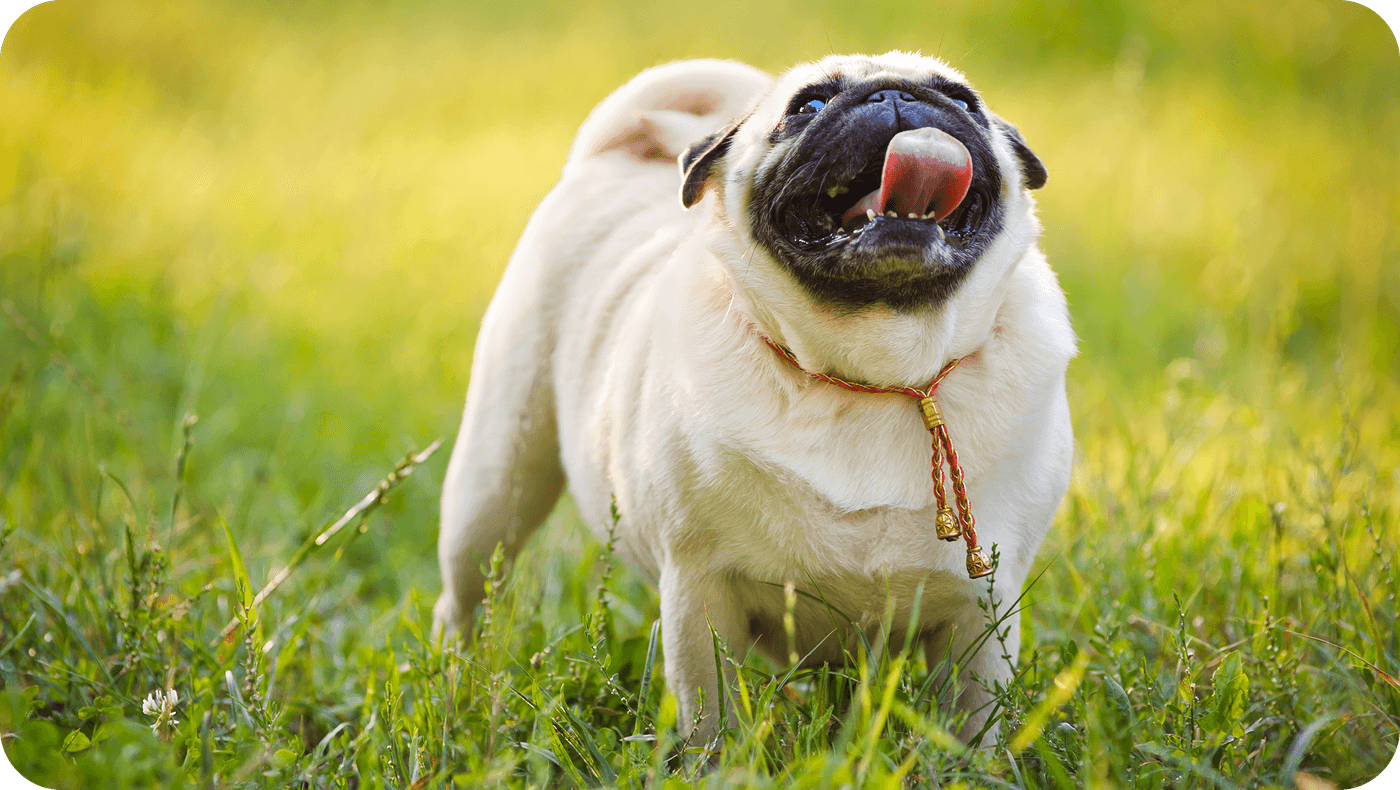
Choose the right food for healthy weight loss
Your goal is to help your dog be healthier, so select their food carefully. Pay attention to the ratio of fat, fiber, protein, carbohydrates and special ingredients in your dog’s weight-management food:
Fat: Dogs use fat as their primary energy source. A diet that replaces some fat with highly digestible carbohydrates offers a good low-calorie alternative.
Fiber: Dogs use fat as their primary energy source. A diet that replaces some fat with highly digestible carbohydrates offers a good low-calorie alternative.
Protein: Weight-control food should have high-quality protein so your dog doesn’t lose muscle tone, plus essential fatty acids to help keep their skin and coat healthy throughout the dieting process.
Carbohydrates: Feeding a diet that contains corn, sorghum and/or barley can result in lower insulin levels as compared to feeding a diet that contains rice as the primary carbohydrate source. Lower insulin levels also can help with maintaining a proper weight.
L-carnitine: This special ingredient is a vitamin-like compound that helps burn fat.
After your dog reaches their ideal weight, select a maintenance food to keep their weight steady.
Helping your dog lose weight
Losing weight isn’t easy. A total weight-management program can lead to successful weight loss in overweight or obese dogs.
Remember: Your support is essential to your dog’s weight-control success. Changing habits is the key.
Tips to keep your dog on track
Determine who feeds the dog what and when.
Substitute affection for treats.
Take your dog for a walk more often. Even 10 minutes a day can help.
Important Notice: The information provided on this page is for informational purposes only and is not a substitute for professional veterinary advice. Always consult a veterinarian with any questions regarding your pet's health or medical condition. Never disregard or delay seeking professional veterinary advice based on information from this page.