
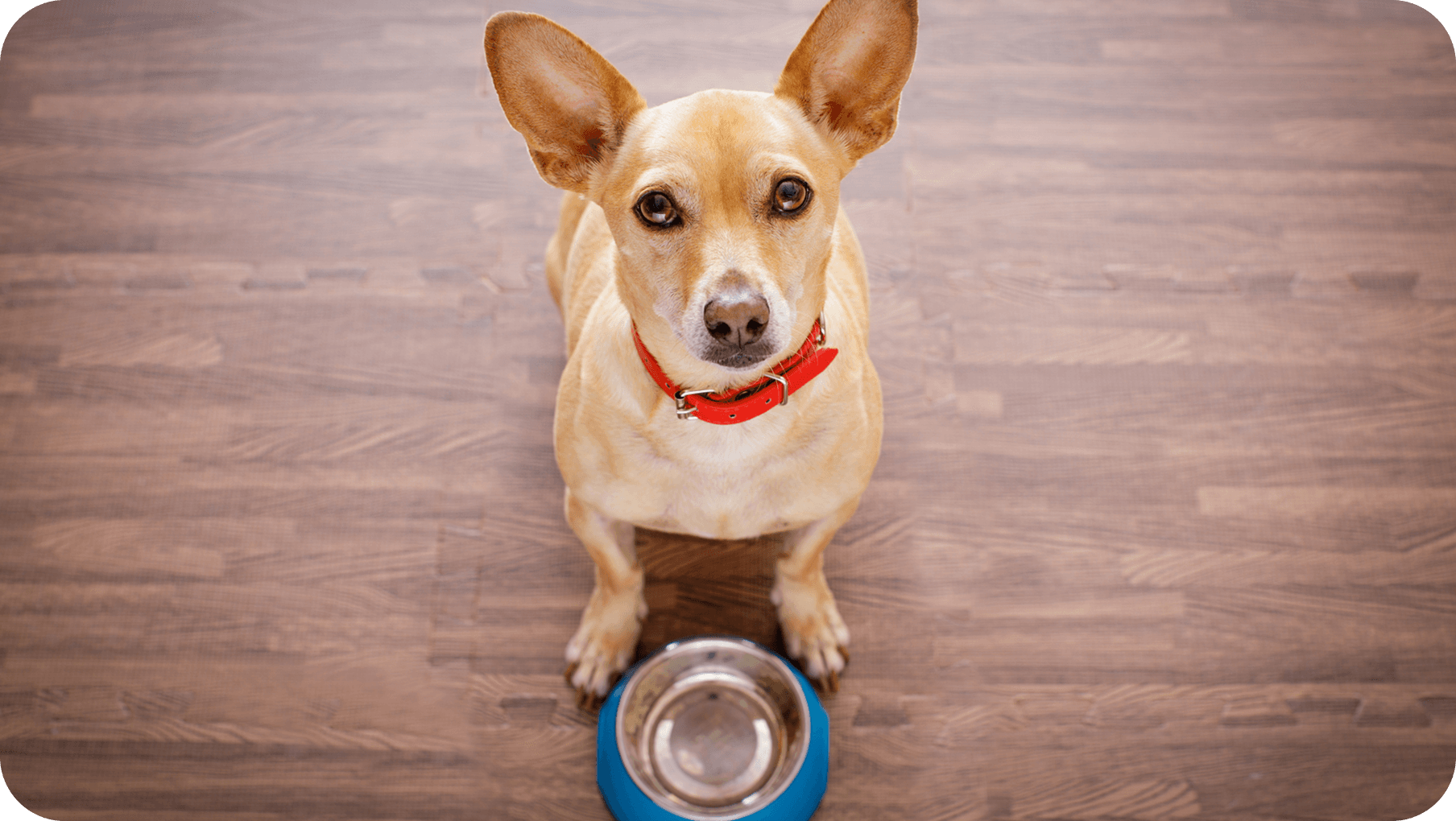
Healthy portions are smaller than you think
Many owners don't know how much food their dog really needs. This means that many dogs are overfed which can cause weight gain and lead to other health issues.
What is the correct portion size for my dog?
A healthy weight is maintained by achieving the right balance between energy intake and energy output. So the correct portion size for your dog can be different from any other dog, even if it is the same breed.
The starting point is to follow the feeding guide given by the food you have selected with your veterinarian which is most relevant to your dog. However, a number of factors may also need to be taken into consideration when determining the portion size, recommended feeding quantities for cats are often just guidelines.
First, consider the size of your dog. A small breed such as a Chihuahua will require a very different amount of calories from a St. Bernard. Try to choose a product which is designed for your breed or size of dog.
Next, think about their activity levels; are they a working dog or do they spend most time indoors with short walks during the day? If you have any concerns about what quantities to feed your dog, please contact your local veterinarian for specific advice.
The importance of healthy portioning
Your dog's portion size plays a big part in maintaining a healthy lifestyle. No matter how much they exercise, if a dog's portion is too large, they will still be prone to putting on weight.
Keep in mind, recommended feeding quantities for dogs are often just guidelines. The amount of food your dog requires may change throughout their life. For example, if your dog gains weight, you may wish to alter their daily calorie intake or diet to counter this. As your dog grows older and becomes less active, then their food portions may shrink with their reduced energy requirements.
It's important to consult your veterinarian if you are ever unsure about your dog's portion size.
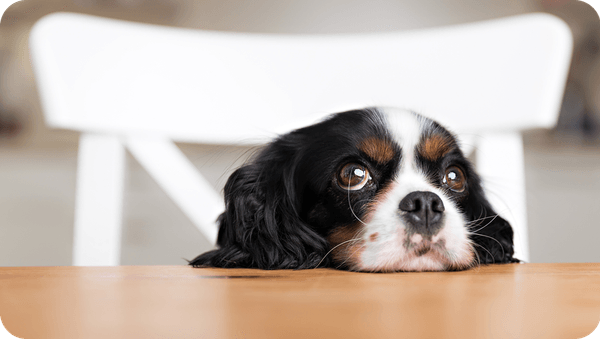
Why is my dog begging?
If your dog seems to be asking you for food all the time, it doesn’t necessarily mean that they are hungry. This apparent taste for tidbits may actually be a habit, a sign of boredom or attention seeking. Giving in to begging can reinforce this behavior.
That being said, if your dog continues to show food seeking behavior, this could also be a sign of illness. Parasites such as worms, for example, can cause symptoms of increased appetite, constant hunger, sometimes combined with weight loss.
If signs of begging or consistent hunger persist, it's important to consult your veterinarian to rule out any underlying issues.
Maintaining healthy portion sizes for your dog may feel tricky; however, there are a number of things you can consider to make sure you're not overfeeding your dog. Once you've identified your dog's correct portion size, use weighing scales for each meal to maintain accurate quantities every time. It's easy to underestimate how much you're actually feeding your dog.
Tips to maintain portion sizes
Don't add human food to your dog's ration as this may upset the nutritional balance and calorie intake they require.
Subtract the calories from treats from their daily portion. Treats should take up no more than 10% of a dog's daily rations.
Use kibble from the daily ration as treats instead of extra snacks, so rewards don't add calories.
Important Notice: The information provided on this page is for informational purposes only and is not a substitute for professional veterinary advice. Always consult a veterinarian with any questions regarding your pet's health or medical condition. Never disregard or delay seeking professional veterinary advice based on information from this page.