
Main takeaways
- Plain cooked meats and many fruits and vegetables such as carrots, pumpkin, green beans, seedless apples, and blueberries can be safe treats in moderation.
- Chocolate, grapes, raisins, onions, garlic, and anything with xylitol should never be fed because they can be toxic.
- Even safe foods turn risky with added salt, butter, sugar, or spices, so human food should stay an occasional supplement to a balanced diet.
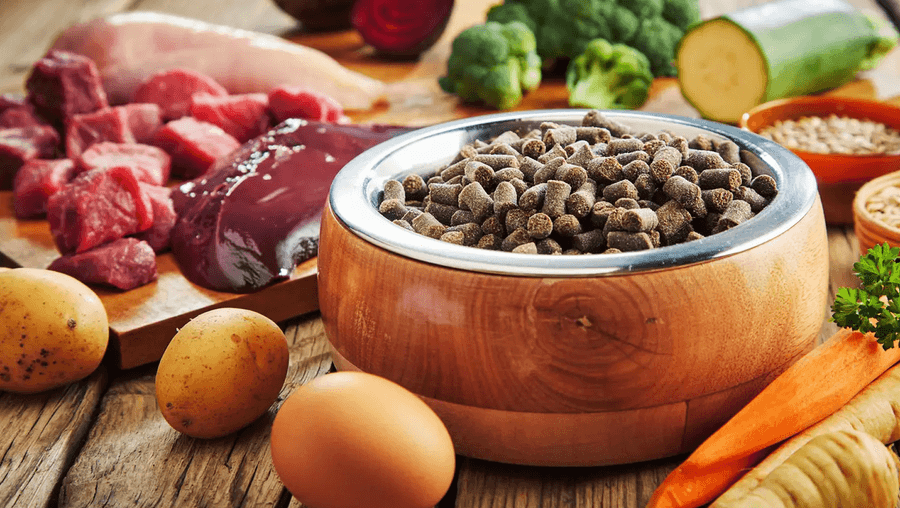
When you’re eating, your dog probably tries to eat your food, too — that’s common. Sometimes, sharing your food with your pup can be dangerous, but some human foods can be safe for your dog to eat. This list includes plain cooked meats (such as chicken and turkey), vegetables (like carrots, pumpkin, green beans, and sweet potatoes), and fruits (like apples without seeds, blueberries, and watermelon). However, never feed dogs chocolate, grapes, raisins, onions, garlic, or anything containing xylitol.
Is it bad to feed human foods to dogs?
Feeding your dog human food isn’t always harmful if it’s done with care. Dogs have different metabolisms than humans, and some common human ingredients can be toxic to them. Even safe human food can be harmful to a dog if it has ingredients such as salt, butter, sugar, or spices.
Additionally, if you overfeed your dog human food, it can interfere with your dog’s regular diet, cause weight gain, or lead to behavioral issues, such as begging. It’s essential to maintain moderation and consistency. When introducing any new foods, do so slowly and in small amounts. Always consult your veterinarian if you’re unsure.

What human foods can dogs eat?
Below is a list of safe, nutritious human foods for dogs. Each food is explained with clear preparation tips and safety guidance.
1. Kale
Kale is a great food for dogs when fed in moderation. It promotes immune health and contains powerful antioxidants. It also provides vitamins A, C, and K, and calcium. Another benefit is detoxification and a reduction in inflammation.
Avoid feeding large quantities of kale so as not to risk bladder stones. Always serve plain, thoroughly washed, and chopped into bite-sized pieces.
Steam or lightly sauté kale with no added oil or seasoning. Let it cool and chop finely before serving.
Only in small amounts. Chop or steam them thoroughly, as the stems can be difficult to digest.
Only if you leave out the salt, garlic, onion powder, and oil. Store-bought kale chips often contain spices or preservatives that can be harmful to dogs.
2. Carrots
Carrots are an excellent crunchy treat for dogs. Rich in beta-carotene, fiber, vitamin A, and antioxidants, carrots offer benefits such as a healthy coat and eye health, and can even help clean teeth when served raw.
There are a variety of ways to prepare carrots. You can serve them raw, cooked, or frozen. If cooking, don’t add seasoning.
Yes, the leafy green tops are safe in small amounts and contain antioxidants. Be sure and wash them well.
Yes. They’re small, convenient, and easy to digest, which makes them ideal for training treats.
3. Pumpkin
Pumpkin is a superfood for dogs. It promotes digestive health and is a great way to eliminate diarrhea or constipation. It contains fiber, potassium, and vitamin A. Always use plain canned pumpkin or fresh, cooked pumpkin.
Avoid pumpkin pie filling or spiced versions that contain sugar or nutmeg.
Serve plain canned pumpkin or bake fresh pumpkin. Once soft, then mash or cube. You can also spread it out over a lick mat and freeze the mat, which provides a great mental-stimulation activity for your hungry pup.
Yes, if roasted and unsalted. Pumpkin seeds provide a crunchy source of antioxidants and omega-3 fatty acids, which are very good for your dog’s coat.
Both are safe. Be sure the canned pumpkin is 100 percent pure, with no added ingredients.
4. Blueberries
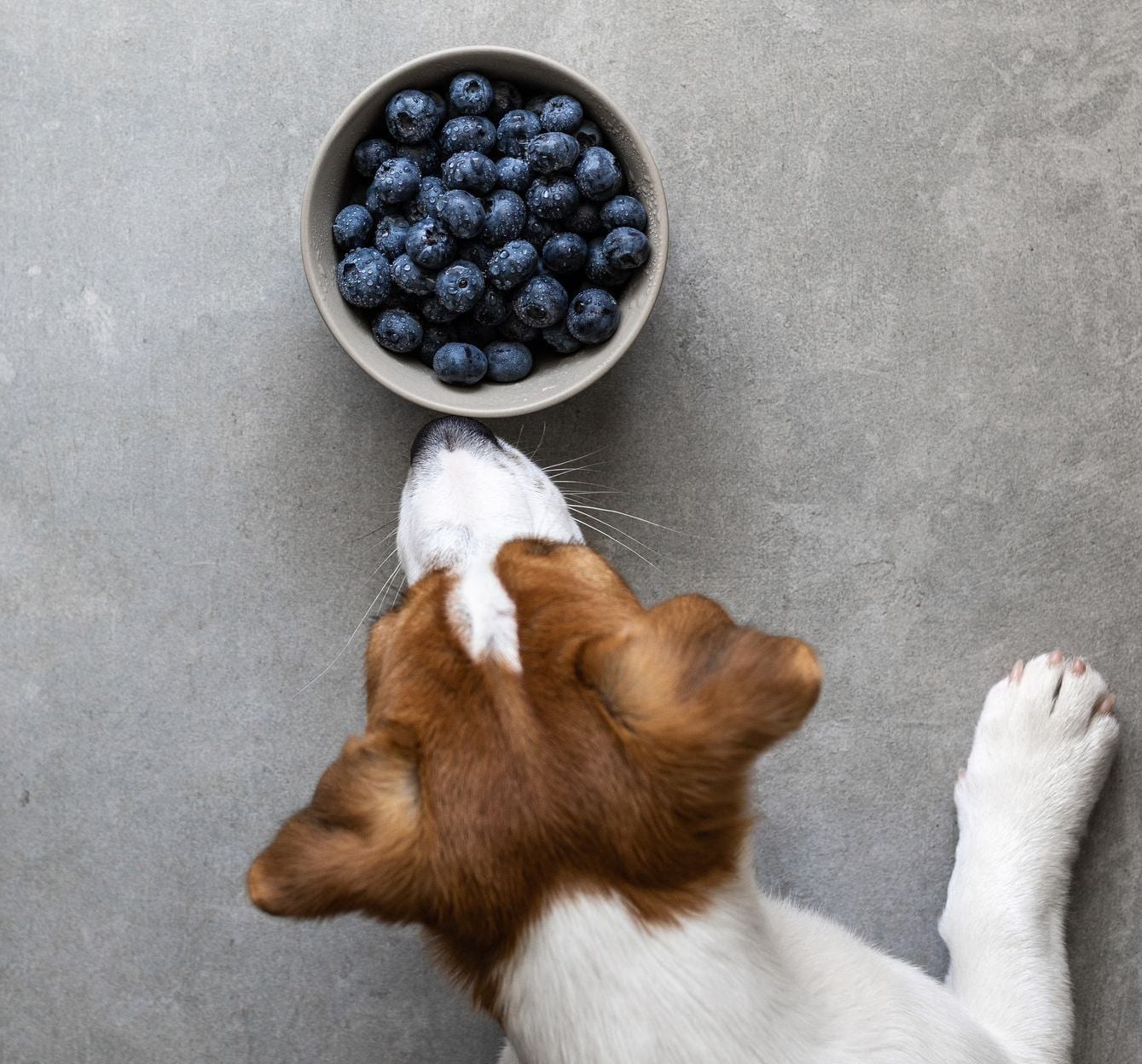
Blueberries are a safe, antioxidant-rich fruit for dogs. They have many benefits. They support brain health and immune function, helping to combat oxidative stress. They are also low in calories and high in fiber and vitamin C.
Rinse well and serve fresh or frozen. They can be given as a treat or in food.
No. They contain too much sugar, flour, and other additives.
For small dogs, a few at a time, and up to a small handful for larger breeds.
5. Apples (without seeds)
Apples are a fiber-rich fruit that dogs can enjoy in moderation. When giving them to your dog, be sure to remove the core and seeds, which contain cyanide and can be toxic to dogs.
Apples provide vitamin C and vitamin A and are great for freshening breath.
Slice into bite-sized chunks, remove the seeds and core and serve raw or mixed into food.
Yes. The skin contains fiber, but wash the apple thoroughly.
Only unsweetened, plain applesauce. Avoid versions with added sugar or spices.
6. Sweet potatoes
Sweet potatoes are a great source of fiber, vitamins A, B6, and C, as well as potassium. They support digestive health and are excellent for dogs with sensitive stomachs. They're also naturally sweet and well-loved by most pups.
Bake or boil until soft. Serve plain, with no salt, butter, or spices.
Yes, if well-washed and cooked. However, some dogs may have trouble digesting it.
Yes, if they are homemade or purchased without additives. They should be dehydrated and free of preservatives.
7. Green beans
Green beans are a safe, low-calorie vegetable rich in fiber, iron, calcium, and vitamins A, C, and K. Because of their low- calorie content, they are great for weight control, and dogs really enjoy them.
Steam, boil, or serve raw. Avoid canned varieties, due to the added salt or preservatives.
Only low-sodium, no-added-salt versions. Rinse before serving.
Yes. Many vets recommend green beans as part of a calorie-controlled, weight-management plan.
8. Watermelon
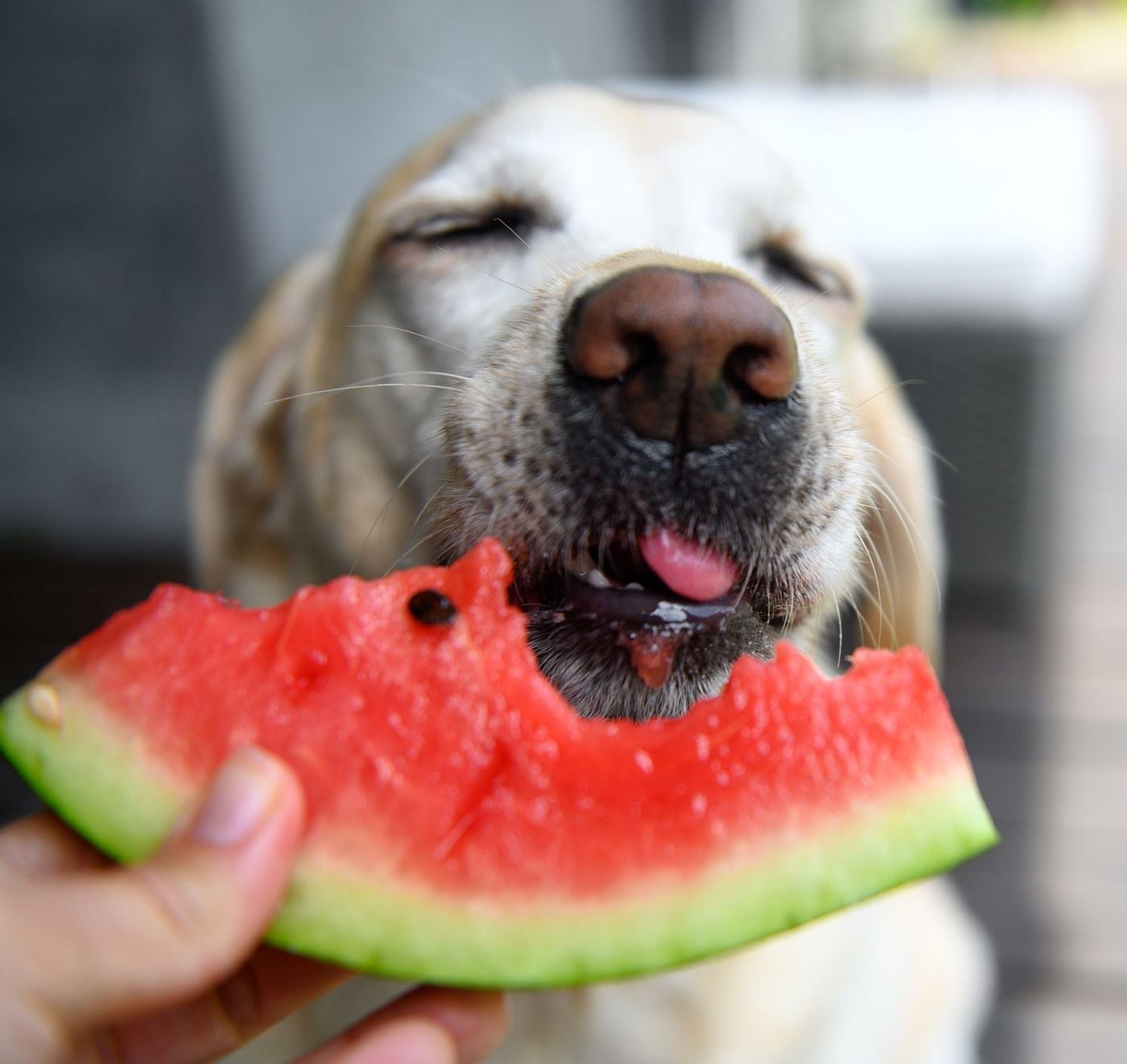
Watermelon is a hydrating fruit that’s safe in moderation. It contains vitamins A, B6, and C, as well as plenty of water, great for hot days. Remove the seeds and rind before offering to avoid intestinal upset.
Cut into small cubes, remove seeds and rind. Serve chilled for a fun summer treat.
No. Seeds can cause blockages, especially in small dogs.
No. Just like seeds, the rind is difficult to digest and may cause gastrointestinal issues.
A few practical tips
Serve everything plain: washed, chopped into bite-size pieces, and cooked with no oil, salt, or seasoning.
Remove the dangerous parts first, like apple cores and seeds or watermelon seeds and rind, which can be toxic or cause blockages.
Introduce any new food in small amounts and watch for a reaction before giving more.
Important Notice: The information provided on this page is for informational purposes only and is not a substitute for professional veterinary advice. Always consult a veterinarian with any questions regarding your pet's health or medical condition. Never disregard or delay seeking professional veterinary advice based on information from this page.